Source Eco Friendly Coconut Shell Bowl for Dining, Serving, and Parties
Compare 30 listings for the eco friendly coconut shell bowl from verified Chinese manufacturers. Buyers can evaluate sizes ranging from 4.5 to 5.5 inches, customization options, and supply capabilities to find the right supplier for their needs.
Key considerations
Products List

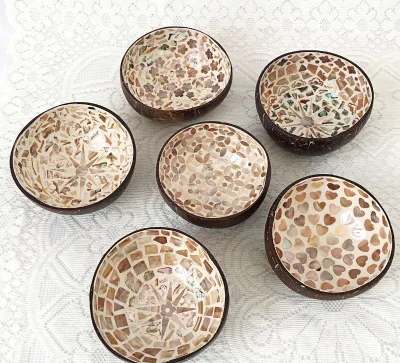
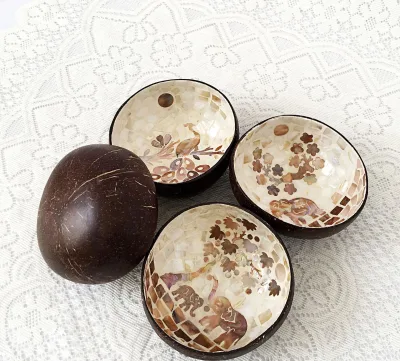
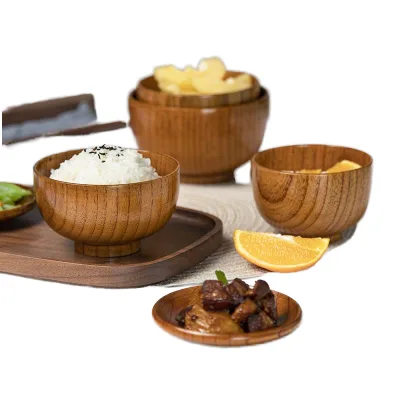


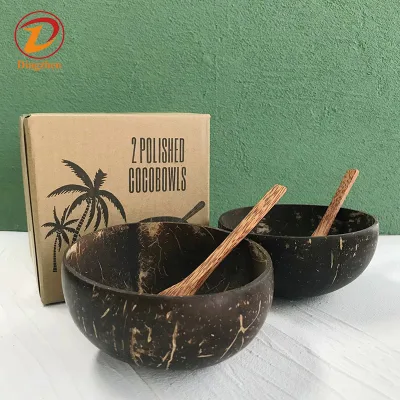
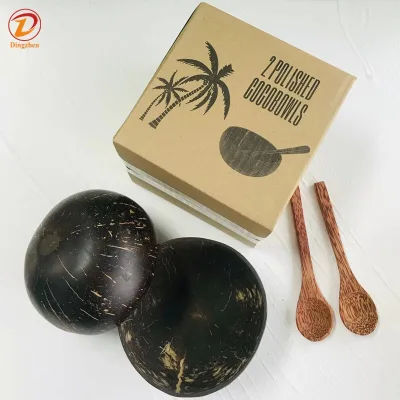
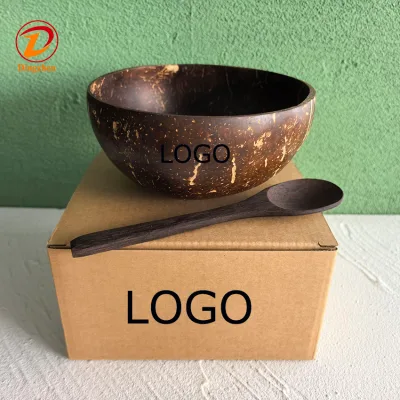


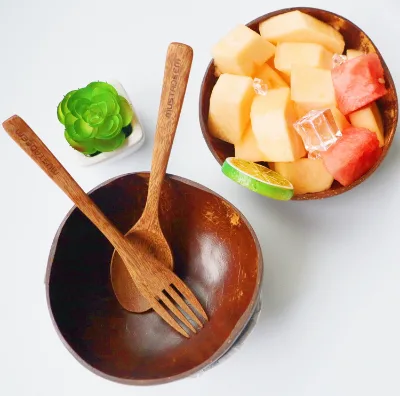
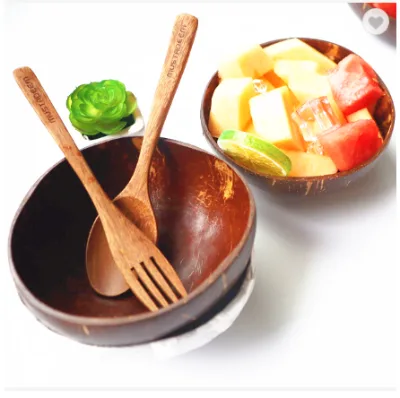


Comprehensive Sourcing Guide
Strategic Sourcing Guide for Eco-Friendly Coconut Shell Bowls
Understanding Product Specifications and Material Integrity
When sourcing eco-friendly coconut shell bowls, the primary focus must remain on the raw material's origin and the specific physical attributes that define the product's utility. Based on available market data, the core material is consistently identified as coconut shell or coconut, often processed into a durable, polished finish. These items are distinct from disposable wood cups, as they are frequently categorized as non-disposable, reusable dinnerware designed for long-term service. The physical dimensions vary significantly across listings, with observed specifications ranging from 4.5 inches to 5.5 inches in diameter. Specific model numbers, such as HS-0628, often accompany these dimensions, indicating a standardized production line for round, natural-colored vessels.
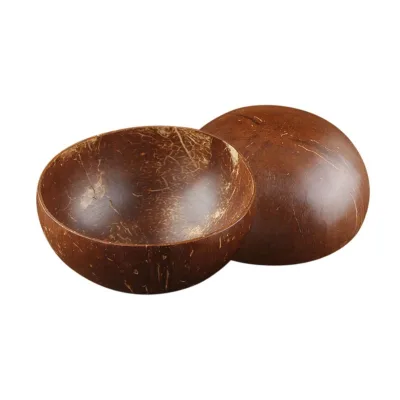
The manufacturing technique is a critical differentiator. The observed products are described as "polished," which suggests a surface treatment that enhances the natural grain of the coconut shell while ensuring a smooth edge for user safety. The shape is predominantly round, aligning with traditional serving aesthetics, though some listings mention a "country" or "modern" style, indicating design flexibility. The single package size for these bowls typically measures around 15x15x10 cm or 17x13x10 cm, with a single gross weight of approximately 0.3 kg. This packaging data is essential for logistics planning, as it dictates the volume of space required in shipping containers. Buyers should verify that the "natural color" and "polished" finish are consistent across the entire order, as variations in the shell's natural texture can affect the final aesthetic.
Compliance, Certification, and Regulatory Standards
Navigating the regulatory landscape for food-contact materials is paramount when importing coconut shell bowls. A high-confidence fact observed in the market is the presence of CIQ (China Inspection and Quarantine) certification. This certification is a critical indicator that the product has undergone specific inspection protocols required for export from China. However, buyers must not assume that every listed product automatically satisfies all international food safety standards based solely on the presence of a CIQ label. The CIQ certification specifically addresses the sanitary and quarantine requirements for the export of Chinese goods, but it does not replace specific food-grade certifications required by the destination market, such as FDA approval in the United States or LFGB compliance in the European Union.
Furthermore, the product is frequently marketed with an "Eco-Friendly" feature. While this is a valid attribute, it is an observation of the material's biodegradability rather than a certified claim. Buyers should verify if the "Eco-Friendly" label is supported by third-party lifecycle assessments or specific biodegradability test results. The material is listed as "Coconut," which is a natural, renewable resource, but the processing methods (such as the polishing agents used) must be confirmed to ensure they do not introduce harmful chemicals. The "Customized" attribute often extends to the logo and packaging, which can be tailored to meet specific branding requirements, but the customization process must not compromise the integrity of the food-contact surface.
Cost Drivers and Pricing Dynamics
The pricing structure for coconut shell bowls is influenced by several variable factors, including material quality, customization levels, and order volume. The observed listed price range in the market spans from $0.03 to $9.98 USD. This wide disparity indicates that the price is not a fixed unit cost but is heavily dependent on the specific configuration of the order. The lower end of the spectrum likely corresponds to basic, non-customized units with minimal packaging, while the higher end may reflect premium polishing, custom branding, or specialized packaging solutions like individual wrapping.
Minimum Order Quantity (MOQ) is a significant cost driver. The observed MOQ range is vast, stretching from 3 pieces to 50,000 pieces. A specific listing indicates an MOQ of 500 pieces, while another suggests 100 pieces, and a third allows for as few as 3 pieces. This variability allows buyers to test the market with small samples or commit to large-scale procurement. However, the unit price will generally decrease as the order volume increases, provided the supplier can maintain the "Supply Ability" of 2,000 cartons per month. Buyers must calculate the total landed cost, which includes the unit price, shipping fees based on the single package size (15x15x10 cm), and any customization fees. The "Sample" availability is noted as "Freely Sample," which can reduce initial procurement risk, though the "Sample Time" of 5-7 days must be factored into the overall project timeline.
Typical Applications and Market Positioning
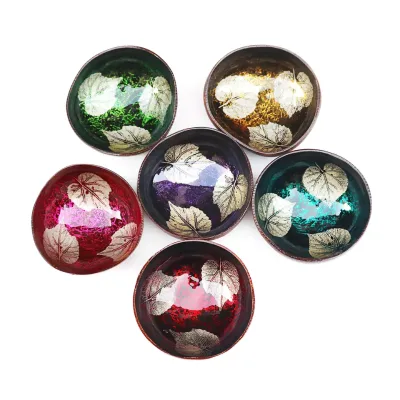
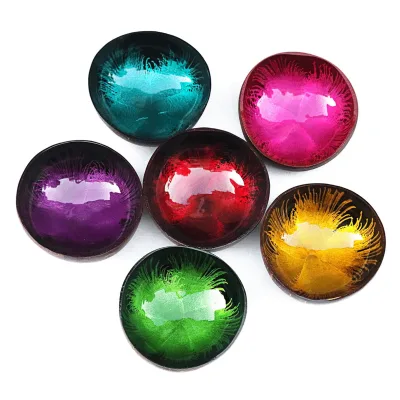
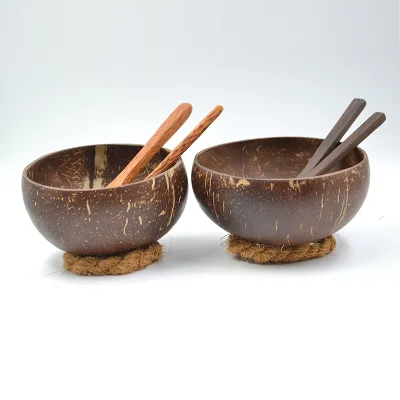
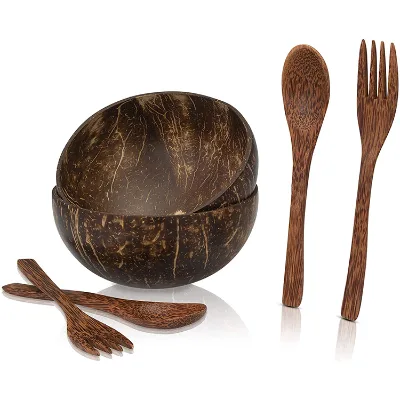
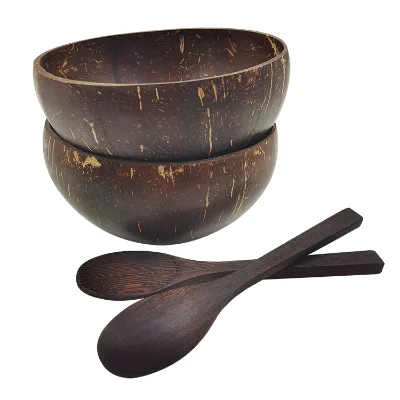
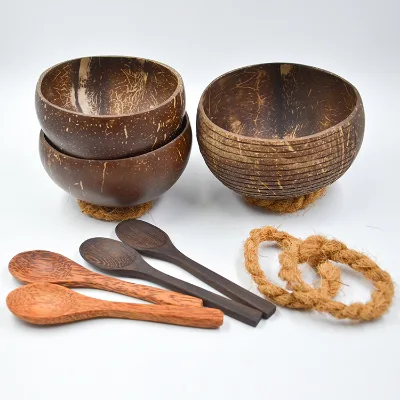
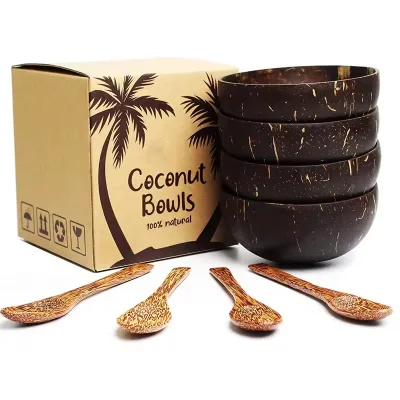
The versatility of coconut shell bowls makes them suitable for a diverse range of applications, from commercial hospitality to promotional giveaways. The product is explicitly categorized under "Dinnerware Type: Bowls," indicating their primary use in serving food. The "occasion" attributes listed include "Giveaways," "Party," and general "Serving." This suggests that the bowls are marketed as both functional dinnerware and decorative items. The "Natural Eco-friendly 5 inch Coconut Shell Bowls with Spoons" description highlights their suitability for salad, breakfast, and party serving, where the aesthetic appeal of the natural wood grain is a selling point.
The "Country" and "Modern" style attributes suggest that these bowls can fit into various interior design themes, making them attractive for boutique hotels, eco-conscious restaurants, and event planners. The "Reusable" nature of the product, as opposed to disposable alternatives, positions it as a sustainable choice for businesses aiming to reduce waste. The "Customized Logo" feature allows companies to use these bowls as branded merchandise, enhancing their visibility at corporate events or as corporate gifts. The "Stocked" attribute in some listings indicates that certain sizes and styles may be available for immediate dispatch, which is beneficial for buyers with urgent needs.
Supplier Evaluation and Production Capabilities
Evaluating suppliers requires a deep dive into their production capabilities and logistical readiness. The "Place of Origin" is primarily identified as Guangxi, China, with some listings pointing to Jiangsu, China. Guangxi is known for its coconut production, which may offer a logistical advantage in sourcing raw materials, potentially reducing lead times and transportation costs for the raw shell. The "Port of Dispatch" is listed as Shanghai, a major global shipping hub, which facilitates efficient export logistics.
Suppliers must demonstrate a "Supply Ability" of at least 2,000 cartons per month to handle large orders without significant delays. The "OEM/ODM: Acceptable" status indicates that suppliers are willing to engage in original equipment manufacturing or original design manufacturing, allowing for significant customization. However, buyers should verify the supplier's capacity to maintain quality consistency during high-volume production runs. The "Sample Time" of 5-7 days is a standard benchmark, but buyers should confirm if this timeline includes the time for shipping the sample to the buyer's location. The "Packing Details" mention "Carton Box" and "Individual Wrapping," which are crucial for protecting the polished surface during transit. Buyers should request photos of the actual packing process to ensure that the "Individual Wrapping" is robust enough to prevent damage.
Quality Control and Long-Term Procurement Considerations
Implementing a rigorous quality control (QC) protocol is essential for ensuring that the coconut shell bowls meet the buyer's standards. The "Polished" technique must be inspected for smoothness and the absence of sharp edges. The "Natural Color" should be consistent, with no significant discoloration or mold growth, which can occur if the shells are not properly dried before processing. The "Diameter" specifications, such as 4.5 inches, 5 inches, or 5.5 inches, must be verified against the actual product dimensions to ensure they match the design requirements.
For long-term procurement, buyers should consider the durability of the "Non-Disposable" product. While coconut shell is naturally hard, it is susceptible to cracking if exposed to extreme temperature changes or harsh detergents. Buyers should establish clear usage guidelines for their customers or end-users to extend the product's lifespan. The "Customized" aspect, including the logo, should be tested for durability to ensure it does not fade or peel after repeated washing. The "MOQ" flexibility allows buyers to start with smaller orders to test the market, but for long-term contracts, negotiating a fixed price and a guaranteed supply chain is advisable. Finally, buyers should verify the "Standard" specifications, such as the 11-15cm range mentioned in some listings, to ensure they align with the intended use case and regulatory requirements of the target market.
FAQs
What certifications do eco friendly coconut shell bowls have?
High-confidence facts indicate the presence of CIQ certification for export from China. This label confirms sanitary and quarantine compliance but does not replace destination-specific food safety standards like FDA or LFGB.
How much is the minimum order quantity for these bowls?
The observed minimum order quantity ranges from 3 pieces to 50,000 pieces depending on the supplier. Specific listings show MOQs of 500 pieces, 100 pieces, or as low as 3 pieces for sample testing.
Can I get a free sample of the coconut shell bowl?
Yes, free samples are available for many suppliers offering these bowls. The typical sample time is 5 to 7 days, allowing buyers to verify quality before committing to a larger purchase order.
Where are the manufacturers of these bowls located?
The primary place of origin is Guangxi, China, with some listings indicating Jiangsu, China. Guangxi is noted for its coconut production, which may offer logistical advantages for sourcing raw materials.
What are the standard dimensions for the coconut shell bowl?
Observed specifications include diameters of 4.5 inches, 5 inches, and 5.5 inches. The product standard range is listed as 11 to 15 cm, with single package sizes typically measuring around 15x15x10 cm.
Is customization available for the logo and packaging?
Customization is available for logos and packaging details such as individual wrapping. Suppliers accept OEM and ODM requests, allowing for tailored branding while maintaining the natural color and polished finish of the shell.
What is the supply ability for monthly orders?
The observed supply ability is 2,000 cartons per month for these bowls. This capacity supports medium to large volume orders, though buyers should verify specific timelines for custom configurations.